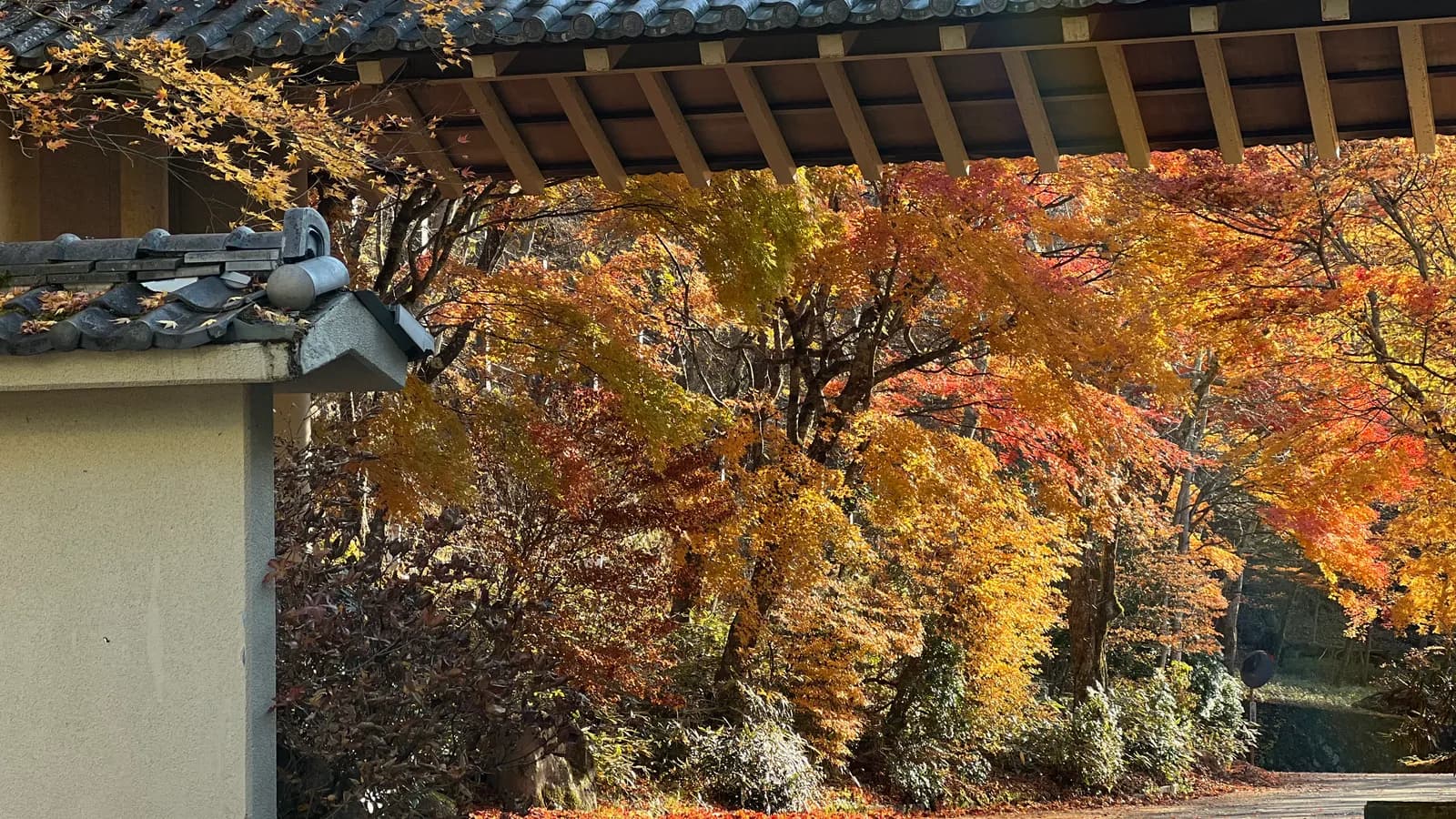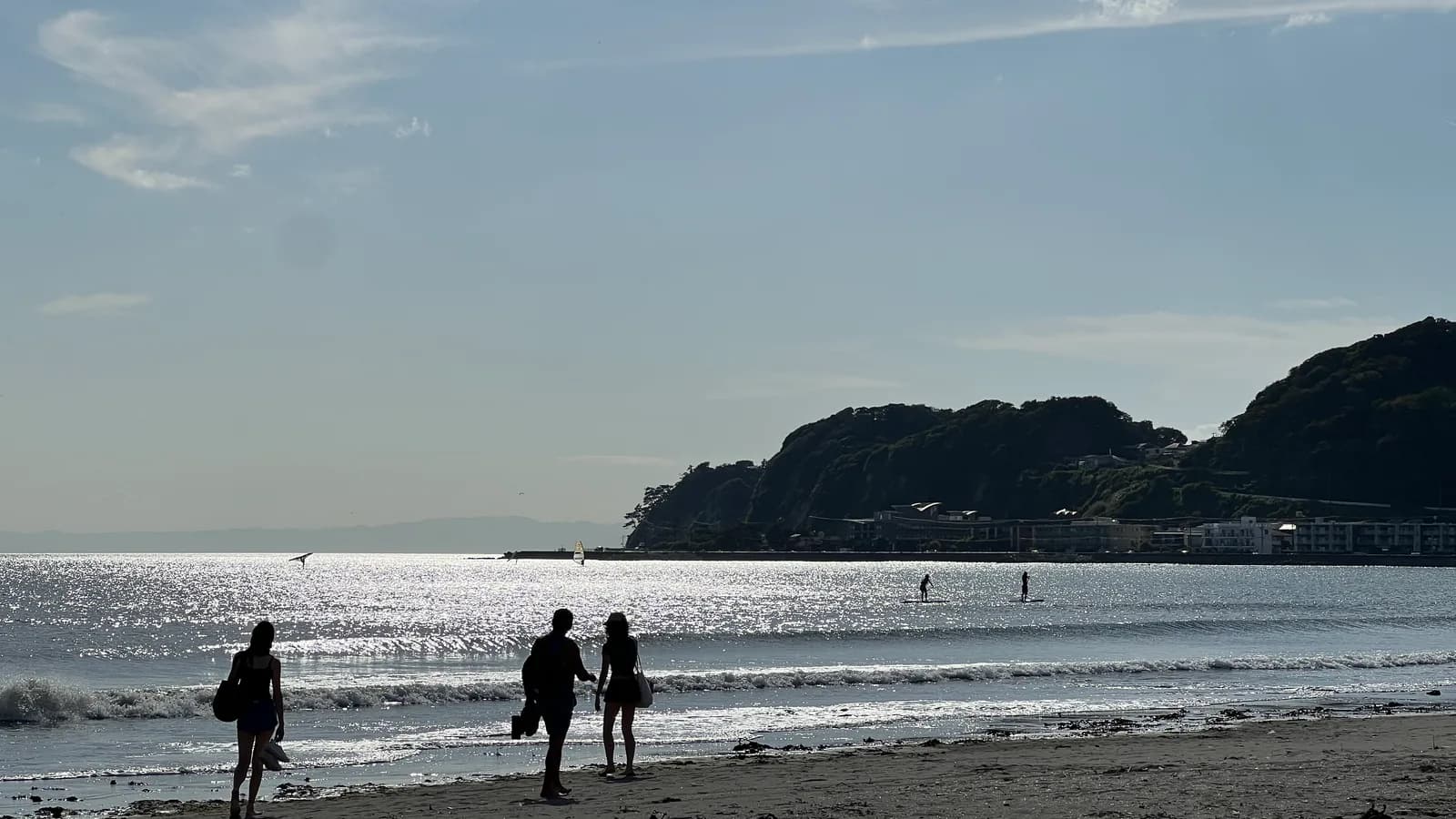
1-Minute Summary & Hook
Kamakura is famous, which makes it look easy. In reality, it becomes messy very fast if you keep trying to add one more stop. The crossing, the Great Buddha, Hasedera, Enoshima, shirasu lunch, Komachi Street — it all sounds manageable until the timing goes wrong and every stop becomes a crowd stop.
This guide treats Kamakura as Tokyo's cleanest sea-breeze day trip, built around what to keep and what to cut.
#bestForTokyo-based day trippers, couples, parents, slower city-break travelers#difficultylow#bestSeasonApril-June, September-November#keyTransportJR + Enoden#oneLineTakeKamakura is better when you know what to leave out.
Why Kamakura?
1) It changes the air quickly
You are barely out of Tokyo, yet the mood changes: sea breeze, tram rhythm, old temples, and a softer pace.
2) It can still feel roomy if the timing is disciplined
Kamakura is not empty. It is simply one of the rare famous places that can still feel gentle when timed well.
⚠️ Reality Check Before You Go
1) The Slam Dunk crossing is basically an early-morning site
If you reach it too late, the value drops quickly. More people, more waiting, less enjoyment.
2) Fresh shirasu is seasonal and conditional
Do not assume raw shirasu is always available. Keep a half-and-half or boiled version in mind.
3) Enoshima costs more energy than it looks like on the map
If you try to force Enoshima after everything else, the second half of the day can flatten.
Low-Fatigue Timeline
Day Trip Timeline
| Time | Plan | Practical note |
|---|---|---|
| 08:00 | Leave Tokyo | Use a direct JR route |
| 09:00 | Arrive in Kamakura | Secure your Enoden flow |
| 09:20 | Kamakurakokomae crossing | Do not overstay |
| 10:00 | Hasedera | Sea-view temple rhythm |
| 11:00 | Great Buddha | Pair with Hasedera cleanly |
| 12:00 | Shirasu lunch | Beat the queue where possible |
| 13:30 | Komachi Street or rest | Protect your energy |
| 15:00 | Enoshima | Save it for the second half |
| 18:00 | Return to Tokyo | Soft landing to the day |
Key Stops, Practical Tips Included
1) Enoden — The tram is part of the travel rhythm, not just transport
The Enoden changes the whole emotional speed of the day. Houses, sea, curves, crossings — the line itself is one of Kamakura's best experiences.
2) Great Buddha — Short visit, long memory
This Buddha works because it is outdoors and direct. It feels very different from Nara.
3) Yoridokoro and shirasu lunch — Lunch quality shapes the entire day
In Kamakura, lunch is not a filler. If lunch lands well, the afternoon gets much better.
- Useful Japanese
Osusume wa dore desu ka?— What do you recommend?
4) Enoshima — Best used as the afternoon climax
The island works better once the light softens and the day starts loosening.
Plan B, Real Budget, and the Teaser
Plan B
- If the crossing is too crowded move directly to Hasedera
- If fresh shirasu is unavailable switch to half-and-half or boiled shirasu immediately
- If energy drops cut Enoshima and end with Komachi Street or a cafe
Budget in One Sentence
A realistic Kamakura day trip from Tokyo usually lands around 6,000 to 12,000 yen per person depending on how much you eat and whether you add Enoshima fully.
Teaser for the Next Escape
If Kamakura gives you sea breeze and a soft day, the next move is a more dramatic seasonal city. Kyoto in cherry blossom season is one natural contrast.