"At least once in your life, make the pilgrimage to Ise (お伊勢参り)."
This has been the number-one bucket list item for Japanese people since the Edo period. Visit in person, and you'll see it's no exaggeration.
Ise Grand Shrine (伊勢神宮) isn't just another shrine. The moment you step into its ancient cryptomeria forest, the air changes. It becomes humid, cool, and strangely still. It's as if the weight of 2,000 years of sanctity has dissolved into the atmosphere itself.
Ise Jingū Pilgrimage Order
Traditionally, you visit the Outer Shrine (げくう) first, then the Inner Shrine (ないくう).
Outer Shrine (Toyouke Daijingū)
This shrine is dedicated to Toyouke-no-Ōmikami, the deity of food. It sees fewer visitors than the Inner Shrine, so you can enjoy a more tranquil atmosphere.
- 5-minute walk from JR/Kintetsu Iseshi Station
- Visit time: About 30-40 minutes
- Free
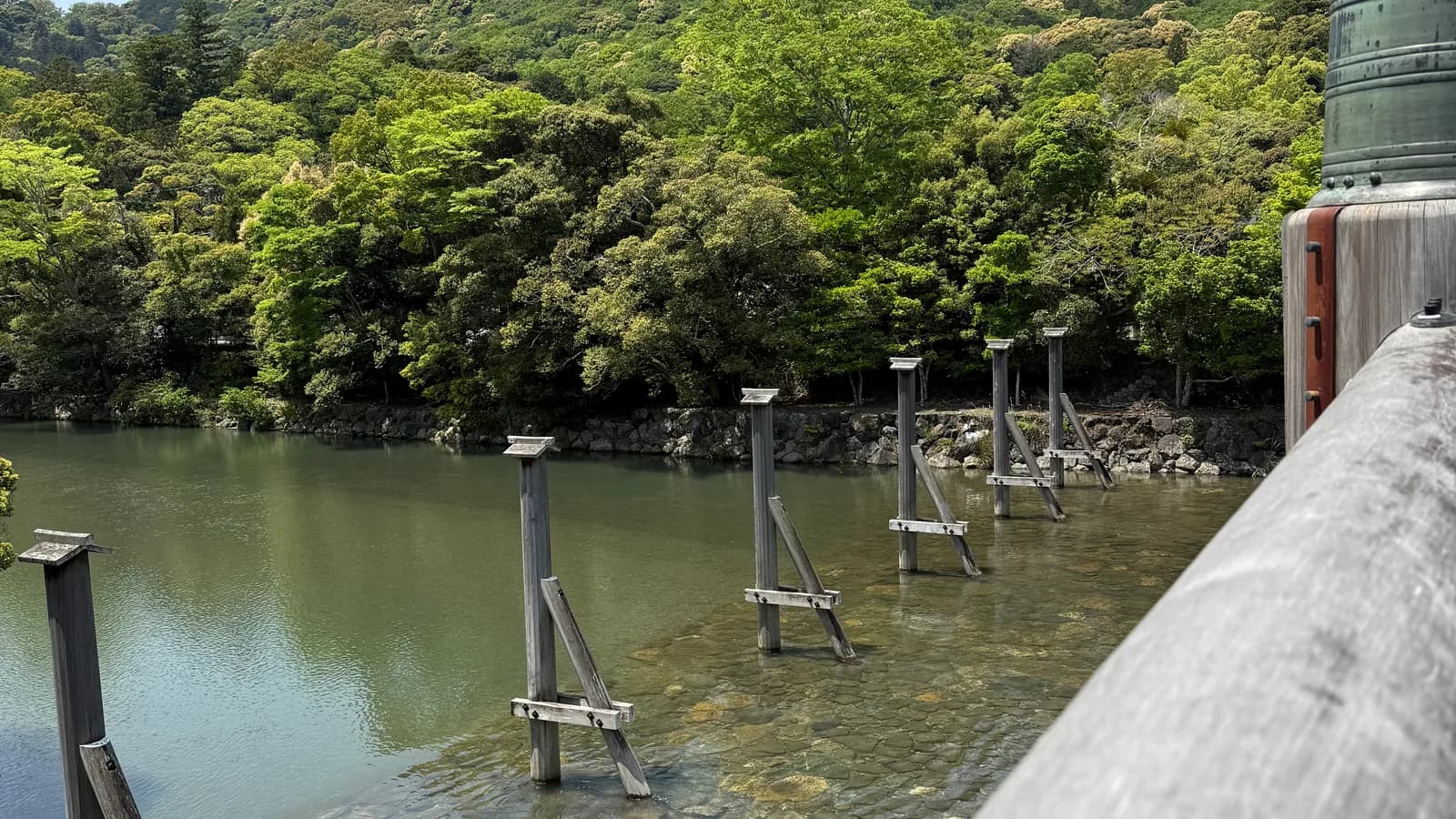
Tip: Take a moment to sit and rest by the Magatama-ike (勾玉池) pond at the Outer Shrine. It's one of the most peaceful spots in all of Ise.
Inner Shrine (Kōtai Jingū)
This is where Amaterasu Ōmikami, the supreme deity of Shinto, is enshrined. It's the heart of Ise Jingū and a symbol of the Japanese spirit.
Crossing the Uji Bridge (宇治橋) marks the boundary between the everyday world and sacred ground. Follow the gravel path flanked by centuries-old cryptomeria trees towering overhead, and at the end, you'll find an almost impossibly simple wooden shrine.
There's no elaborate ornamentation. Just a straightforward structure built from hinoki (cypress) wood. But the emotion stirred by this simplicity hits harder than any ornate temple ever could.
- 15 minutes by bus from the Outer Shrine (430 yen / ~$3)
- Visit time: About 1 hour
- Free
Oharai-machi & Okage Yokochō
After your Inner Shrine visit, head straight to the gate-front village of Oharai-machi (おはらい町). This 800-meter-long food street stretches right in front of Ise Jingū's gates.
Must-Eat Treats
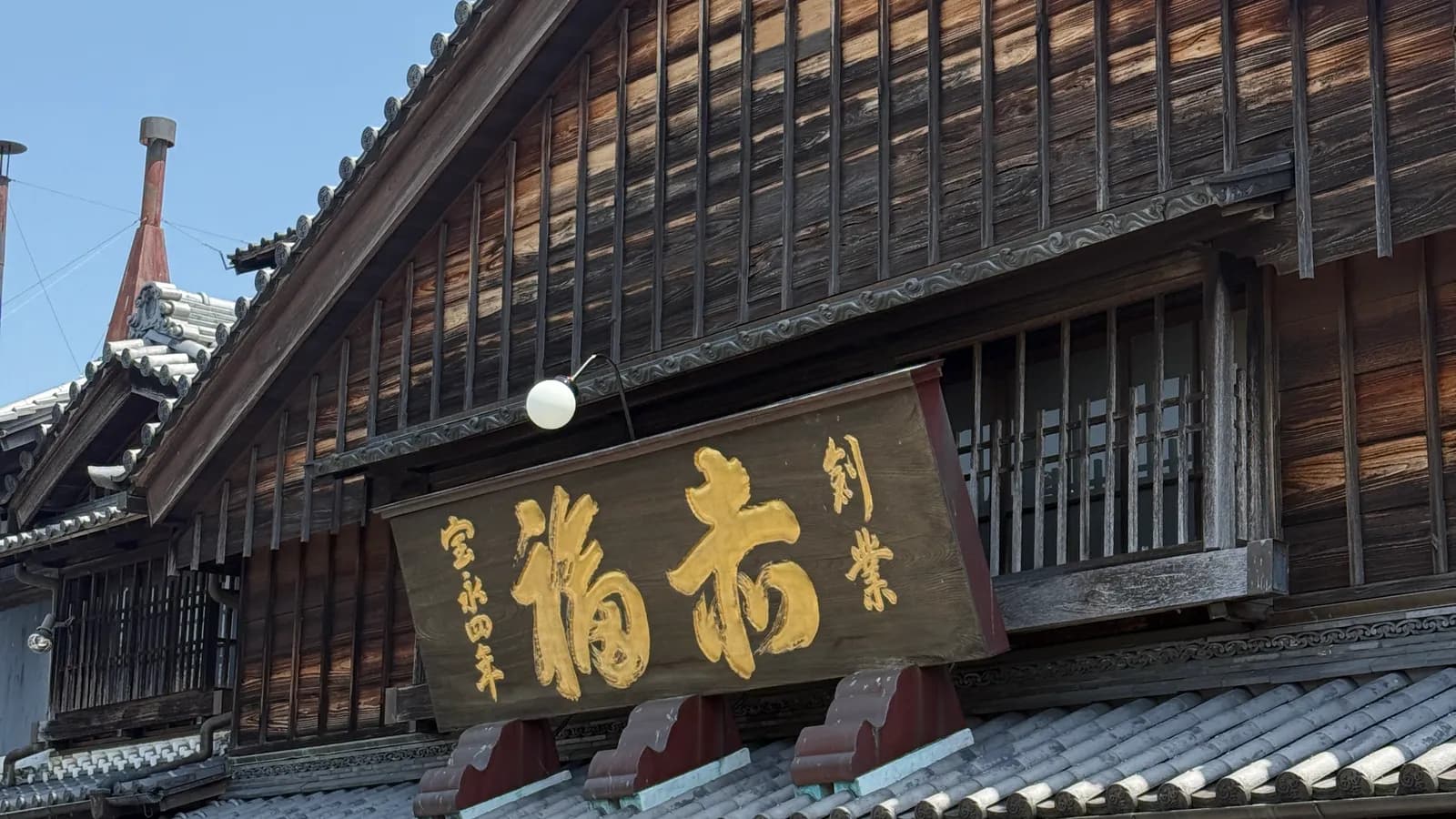
Akafuku Mochi (赤福餅) The iconic sweet of Ise. A flavor that's been perfected since 1707. The red bean paste is shaped to resemble the ripples of the Isuzu River. At the main shop, it's served with matcha (2 pieces for 250 yen / ~$1.75).
Ise Udon The noodles are extremely soft and thick. Similar to Korean kalguksu but even more pillowy. A simple bowl with rich soy sauce broth topped with just green onion and bonito flakes. Recommended: Fukusuke (ふくすけ) — inside Okage Yokochō (from 520 yen / ~$3.60)
Matsusaka Beef (松阪牛) Skewers Matsusaka beef, one of Japan's three great wagyu brands, hails from right here in Mie Prefecture. In Okage Yokochō, you can try it as a casual grilled skewer. 500-800 yen (~$3.50-$5.50) per skewer.
Who Will Love This
- Those fascinated by Japanese culture and history
- Food lovers and street-food explorers
- Anyone planning a day trip from Nagoya or Osaka
- Spiritual seekers and power-spot enthusiasts
Getting There
| From | Transportation | Duration | Fare |
|---|---|---|---|
| Nagoya | Kintetsu limited express | 1 hr 20 min | 3,200 yen (~$22) |
| Osaka (Namba) | Kintetsu limited express | 1 hr 50 min | 3,900 yen (~$27) |
| Tokyo | Shinkansen + Kintetsu | ~3 hours | from 15,000 yen (~$104) |
Day Trip Budget (Per Person)
| Item | Cost |
|---|---|
| Nagoya ↔ Ise round trip | 6,400 yen (~$44) |
| Local bus in Ise | 860 yen (~$6) |
| Lunch + snacks | 2,000-3,000 yen (~$14-$21) |
| Total: around 10,000 yen (~$69) |