1-Minute Summary & Hook
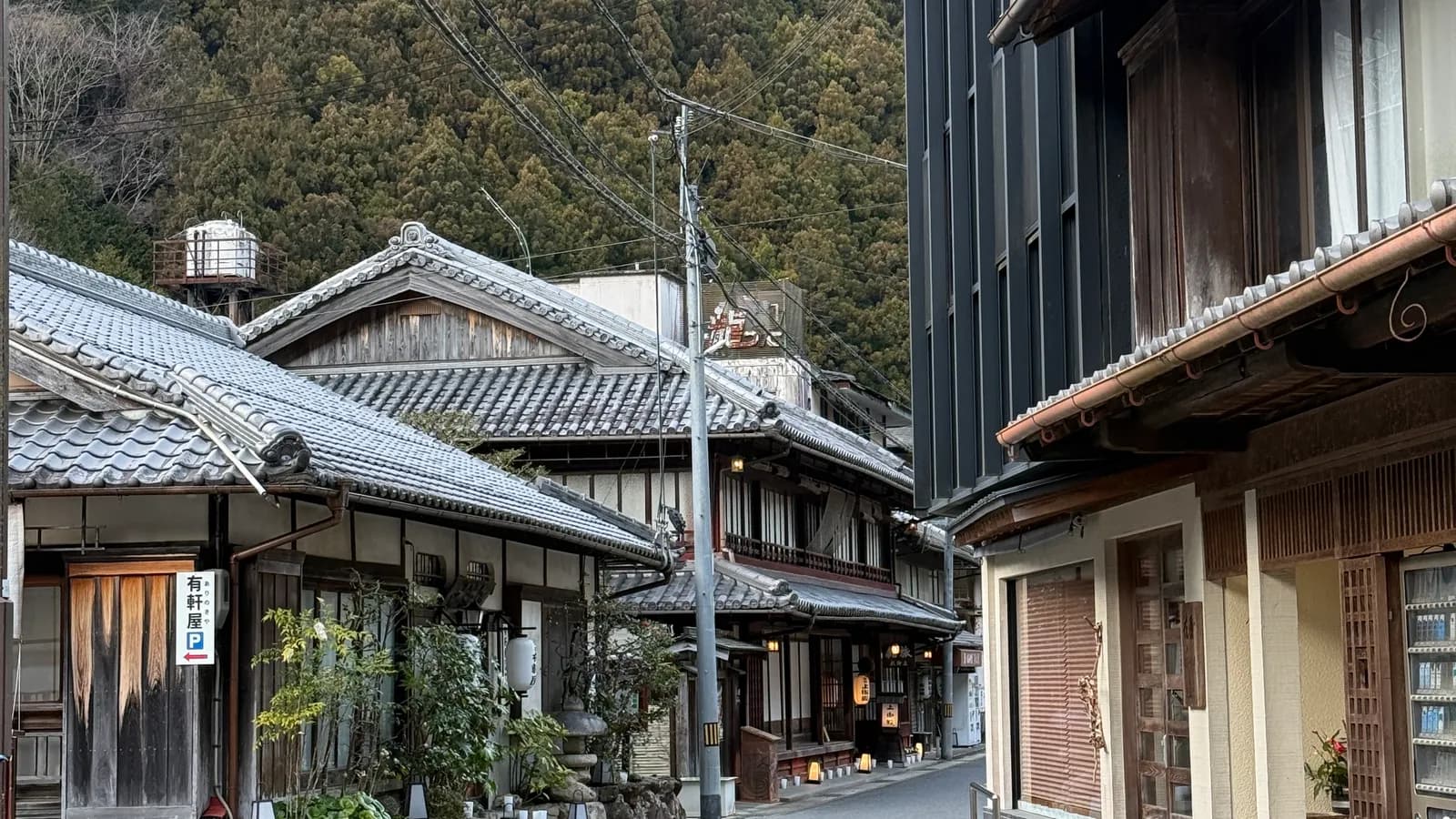
Wakayama is not flashy. That is part of the appeal. It is one of the rare places in Japan where quietness itself becomes content: dawn chanting on Koyasan, the cedar path of Okunoin, the smooth water of Ryujin Onsen, and the old soy-sauce lanes of Yuasa.
It is also more operational than it first appears. Mountain transfers, shukubo reservations, and the Ryujin connection all matter if you want the route to feel calm rather than clumsy.
#bestForcouples, repeat Kansai travelers, sacred-site and onsen lovers#difficultymedium#bestSeasonApril-May, October-November#keyTransportNankai rail + rental car from Day 2 onward#oneLineTakeWakayama is not about doing more. It is about picking the scenes that linger longest.
Why Wakayama?
1) The density of silence is unusual here
Koyasan is not just a temple cluster. It feels like a whole sacred mountain settlement operating on a different emotional speed.
2) Sacred atmosphere and hot-spring recovery support each other beautifully
Koyasan alone can become purely spiritual. Ryujin alone can become purely restorative. Put them together well, and the route becomes something fuller.
⚠️ Reality Check Before You Go
1) Koyasan works by public transport, but Ryujin Onsen becomes much easier with a car
Koyasan by itself is manageable with rail, cable car, and local bus. Once Ryujin enters the route, a car starts making much more sense.
2) Okunoin is not a one-pass site
It is better if you can experience it in two different lights: daytime and either early or late.
3) Ryujin Onsen is lovely, but dining options are limited
A ryokan dinner strategy is usually the safer move.
Low-Fatigue Timeline
Day 1 — Osaka up to Koyasan
| Time | Plan | Practical note |
|---|---|---|
| 08:30 | Leave Namba | Consider a Koyasan pass |
| 10:30 | Arrive on Koyasan | Bus into the center |
| 11:00 | Leave bags at the lodging | Start light |
| 11:30 | Danjo Garan / Kongobuji | Settle into the mountain rhythm |
| 14:00 | Okunoin | First pass in daylight |
| 18:00 | Shukubo dinner | Keep the evening clean |
| 19:30 | Night tour or rest | Choose by energy level |
Day 2 — Dawn Koyasan, then Ryujin Onsen
| Time | Plan | Practical note |
|---|---|---|
| 06:30 | Morning chanting | One of the route highlights |
| 08:00 | Breakfast | Temple rhythm is part of the point |
| 09:30 | Pick up car and depart | Start mountain transfer |
| 11:00 | Arrive in Ryujin Onsen | Lunch and a short village walk |
| 15:00 | Check into the ryokan | Protect enough onsen time |
| 18:30 | Dinner | Mountain-river ingredients |
Day 3 — Down through Yuasa to close the trip
| Time | Plan | Practical note |
|---|---|---|
| 09:30 | Leave Ryujin | Gentle descent |
| 11:00 | Arrive in Yuasa | Soy-sauce town walk |
| 12:00 | Brewery / museum stop | Keep it measured |
| 13:00 | Lunch | Shirasu bowl or local set meal |
| 15:00 | Return toward Osaka | Close the route cleanly |
Key Stops, Practical Tips Included
1) Okunoin — The emotional center of the entire Wakayama route
Okunoin is where the route gets its weight. The cedar trees, moss, and grave markers make the whole Koyasan experience feel much larger than a normal temple visit.
2) Shukubo — Not just accommodation, but part of the route itself
A temple stay should not be judged only as a hotel alternative. Its real value is rhythm: prayer, food, sleep, and silence in one frame.
3) Ryujin Onsen — It works even better after Koyasan
The water feels like release after the tighter sacred atmosphere of the mountain. That order matters.
4) Yuasa — The right final chapter
Yuasa looks like a stopover on paper, but it gives the trip a gentle and very Japanese landing.
Plan B, Real Budget, and the Teaser
Plan B
- If Koyasan drains you skip the second Okunoin pass
- If Ryujin lodging is full either extend Koyasan or pivot to another onsen option
- If it rains increase indoor weight in Yuasa and reduce scenic wandering
Budget in One Sentence
A realistic 2-night, 3-day Wakayama route usually lands around 55,000 to 80,000 yen per person.
Teaser for the Next Escape
If Wakayama is sacred stillness plus onsen recovery, the next dramatic contrast is a route of cliffs, mountain roads, and hidden valleys. Shikoku Iya Valley is a strong next chapter.