1-Minute Summary & Hook
Yakushima is not a comfortable island. That is part of the point. It rains often, the major trek is long, transfers are slow, and Jomon Sugi demands far more than romantic marketing language suggests.
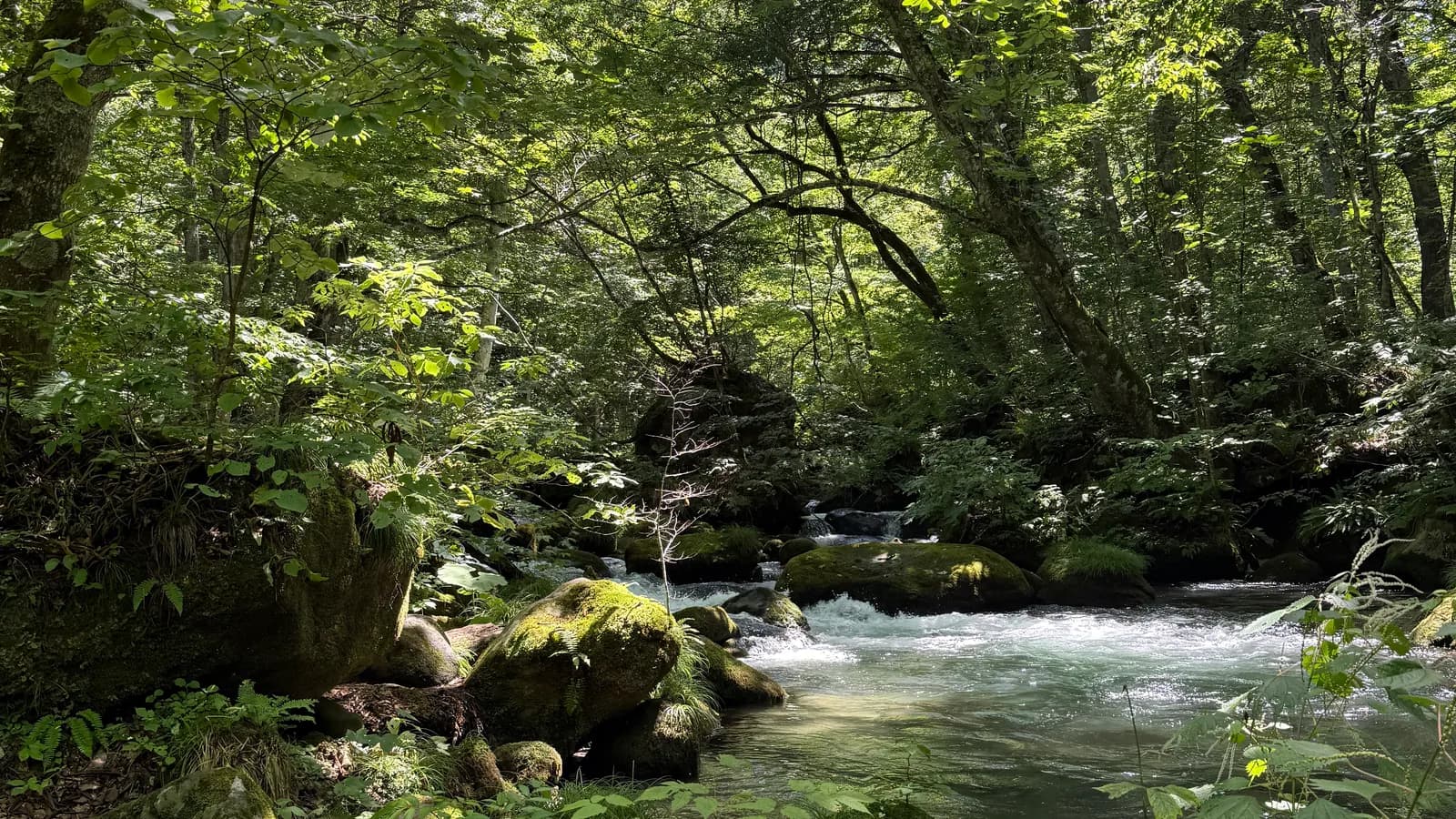
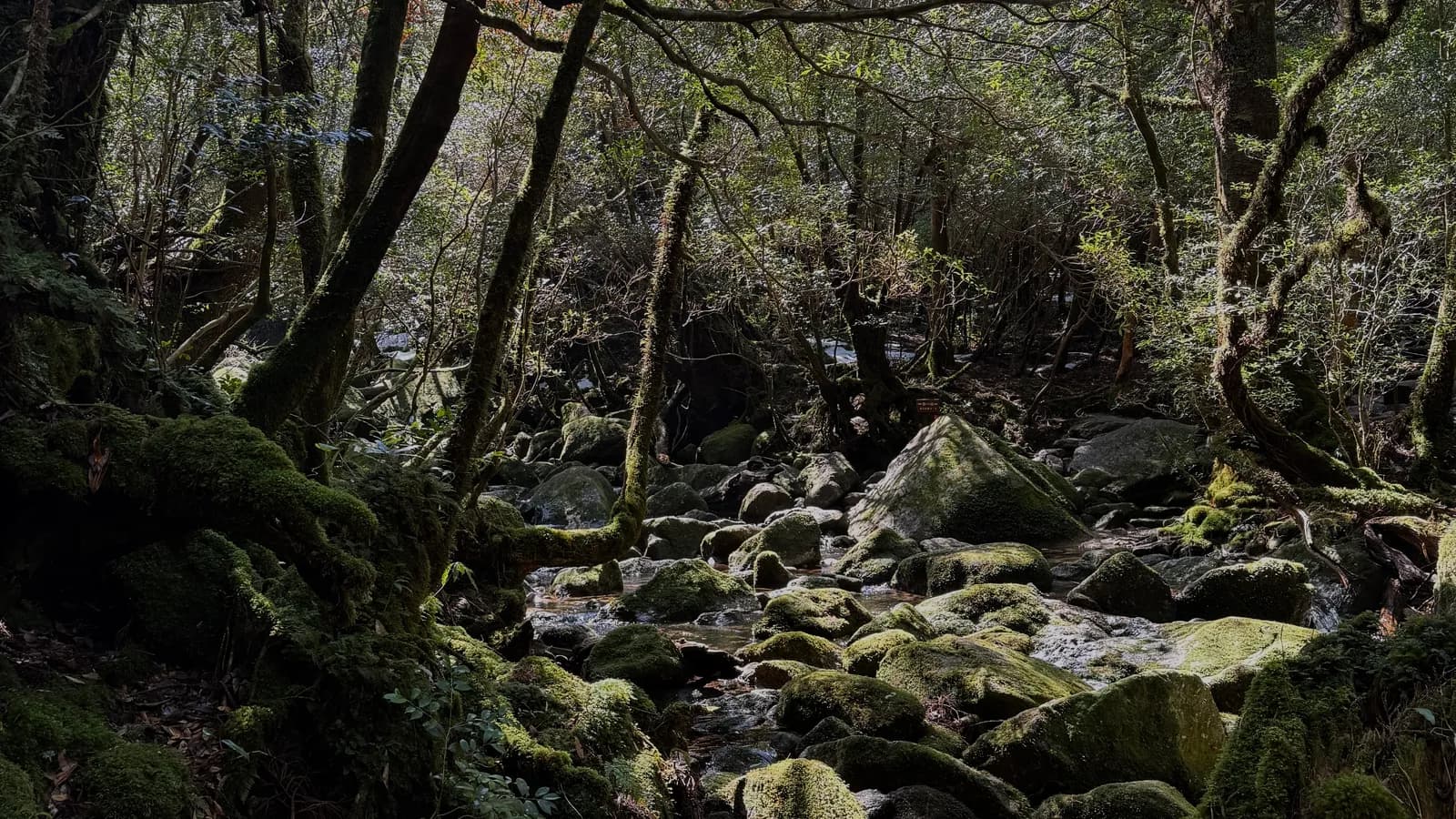
If you prepare properly, the reward is huge: wet moss, deep green air, the Wilson Stump light, the emotional weight of Jomon Sugi, and a forest that feels less like scenery and more like a living atmosphere.
#bestFornature-immersion travelers, strong hiking couples, repeat Japan visitors seeking deeper wild routes#difficultyhigh#bestSeasonMarch-May, October-November#keyTransportrental car + advance bookings#oneLineTakeYakushima is not about escaping the rain. It is about learning to accept it.
Why Yakushima?
1) It is one of the closest things in Japan to another planet of forest
Shiratani Unsuikyo and Jomon Sugi do not feel like ordinary “nature spots.” The whole island behaves like a wet, ancient organism.
2) Forest, waterfalls, and coast all matter here
If you only do trekking, Yakushima can end up feeling flatter than it should. The island gets stronger once forest and shoreline are both allowed into the trip.
⚠️ Reality Check Before You Go
1) The famous “35 days of rain in a month” joke is operationally useful
You do not beat the weather here by avoiding rain. You beat it by equipping for it.
2) Jomon Sugi is longer and more repetitive than many people expect
The early trolley-track section is psychologically different from the harder final push. Respect the full-day energy cost.
3) 2 nights and 3 days is a sampler. 4 nights and 5 days is where the island starts feeling right.
Stacking Shiratani and Jomon Sugi too tightly can leave the whole trip physically flattened.
4) Jomon Sugi is a go / no-go decision, not just a wish
If you are under-rested, badly equipped, or already weather-frayed, the premium move is not forcing the summit tree at all costs. It is protecting the trip.
Low-Fatigue Timeline
4-Night, 5-Day Core Route
| Time | Plan | Practical note |
|---|---|---|
| Day 1 | Arrive + adapt in the south/Anbo area | Let the body switch islands |
| Day 2 | Shiratani Unsuikyo | Protect your first forest day |
| Day 3 | Jomon Sugi trek | Bento and shuttle planning are essential |
| Day 4 | Recovery day + waterfall/coast drive | This is not optional fluff |
| Day 5 | Nagata coast / final island time + departure | Clean close |
Key Stops, Practical Tips Included
1) Shiratani Unsuikyo — The right first forest
It is a better emotional opening than Jomon Sugi, and a much smarter way to learn the island's forest rhythm first.
2) Jomon Sugi — The operation matters as much as the tree
The tree is not the whole story. The route only becomes successful if you can still finish it without breaking the rest of the trip.
3) Wilson Stump — A crucial mid-route reward
This stop matters because it changes morale as much as scenery.
4) Senpiro Falls and the coast — The island flattens if you only do trees
Yakushima needs one day where the forest is not the only frame.
5) Field Tools — What to save before you go
- Google Maps search:
Shiratani Unsuikyo,Arakawa Trailhead,Senpiro Falls,Anbo Port - Critical prep: shuttle reservation, bento, rain gear, headlamp, dry layers
- Switch rule: if Jomon Sugi logistics collapse, convert early into a Shiratani + recovery-day structure rather than trying to improvise late
Plan B, Real Budget, and the Teaser
Plan B
- If Jomon Sugi feels too hard pivot toward Shiratani + guided alternatives
- If rain becomes severe shorten forest exposure and strengthen drives, falls, and cafes
- If shuttle or bento planning fails the whole trekking day must be recalibrated early
Spend Here, Save Here
- Spend on one strong lodging base, proper rain gear, and guide support if you are uncertain
- Save on overpacked island transfers and unnecessary room changes
- Decision rule: on Yakushima, the best money goes toward preserving energy, not maximizing variety
Budget in One Sentence
A realistic 4-night, 5-day Yakushima trip usually lands around 70,000 to 120,000 yen per person depending on lodging and guide use.
Teaser for the Next Escape
If Yakushima is forest, rain, and ancient time, the next strong contrast is a route shaped by craft, towns, and human hands. Saga's ceramic trail makes a surprisingly elegant next move.