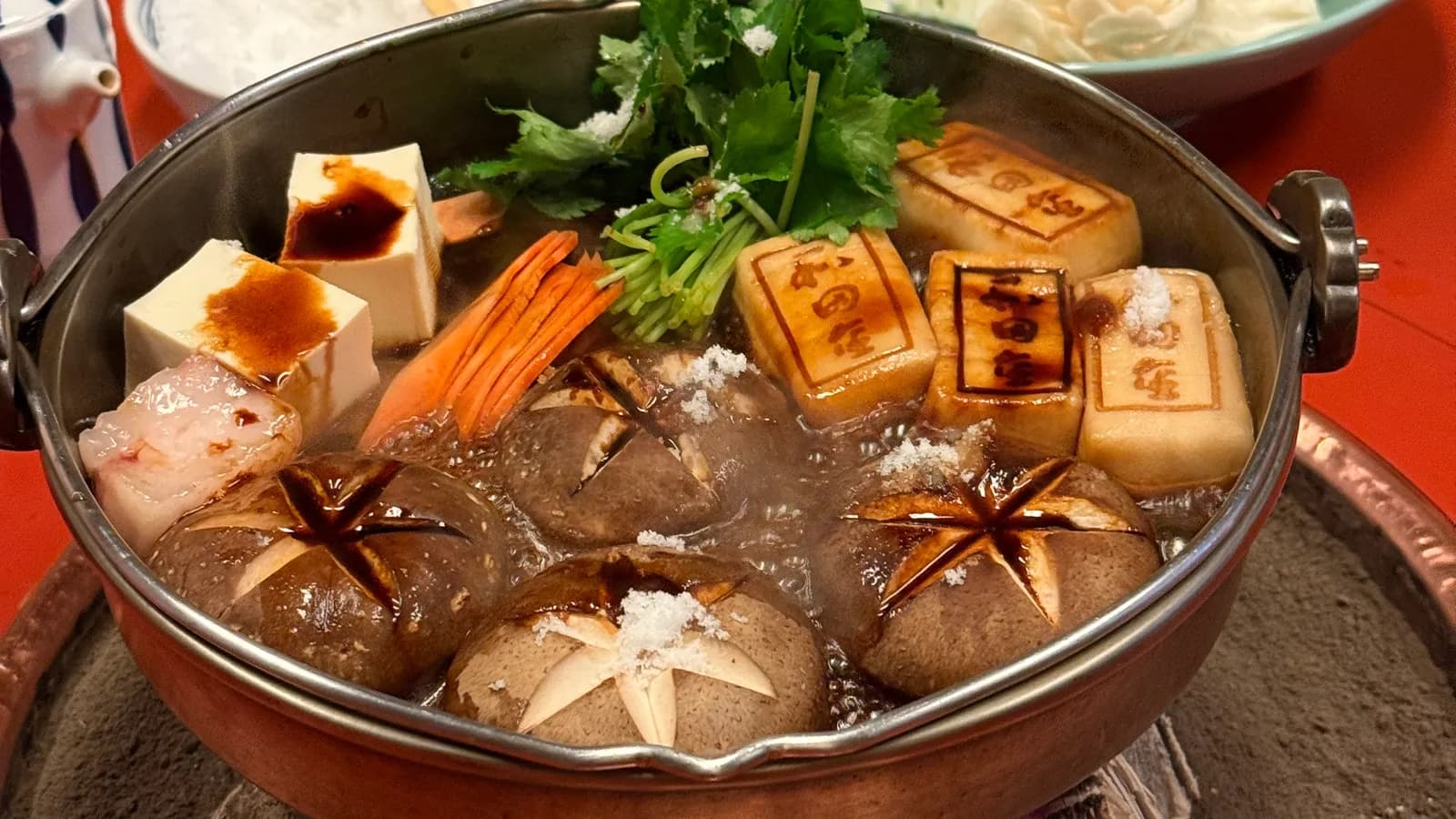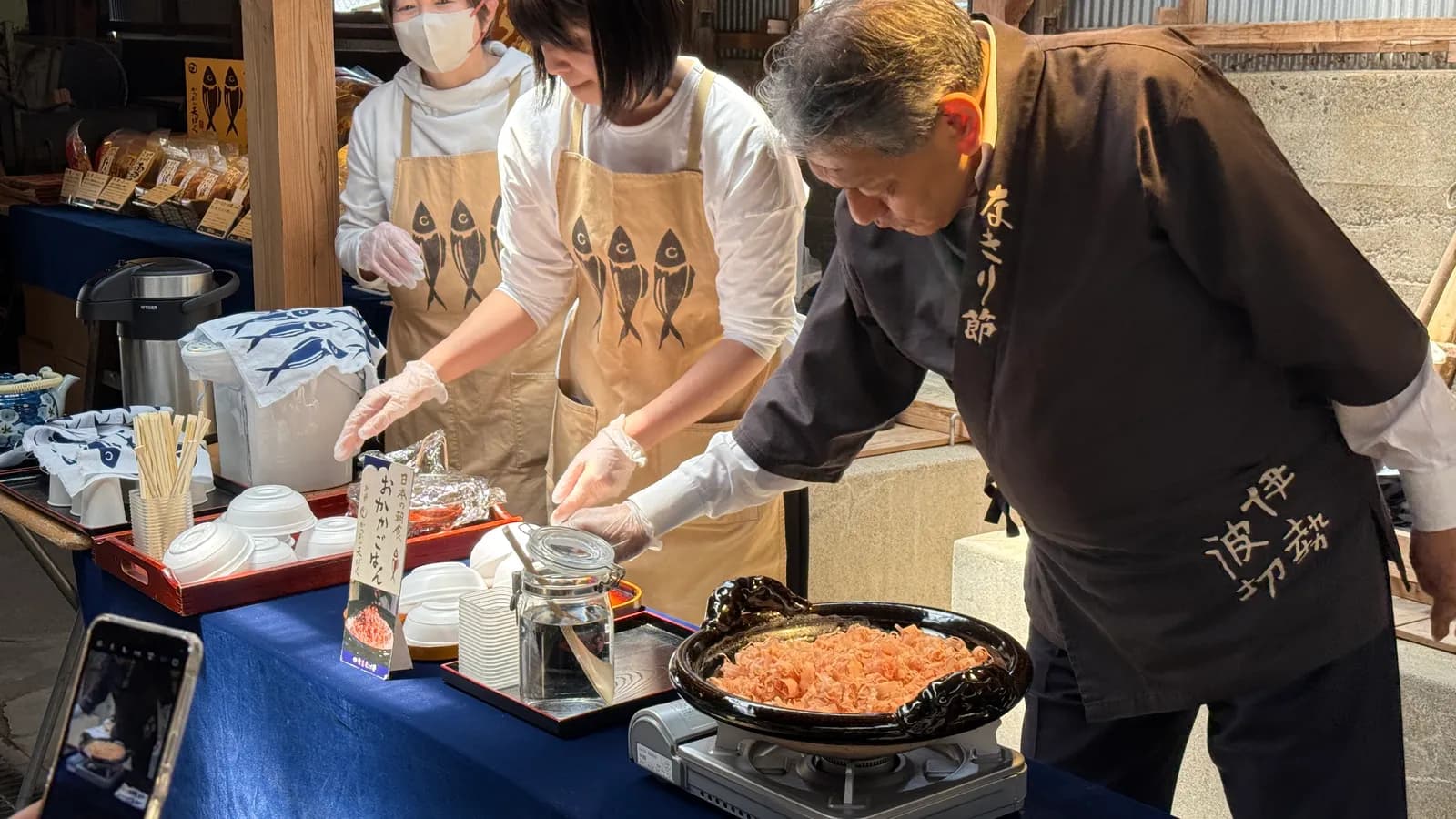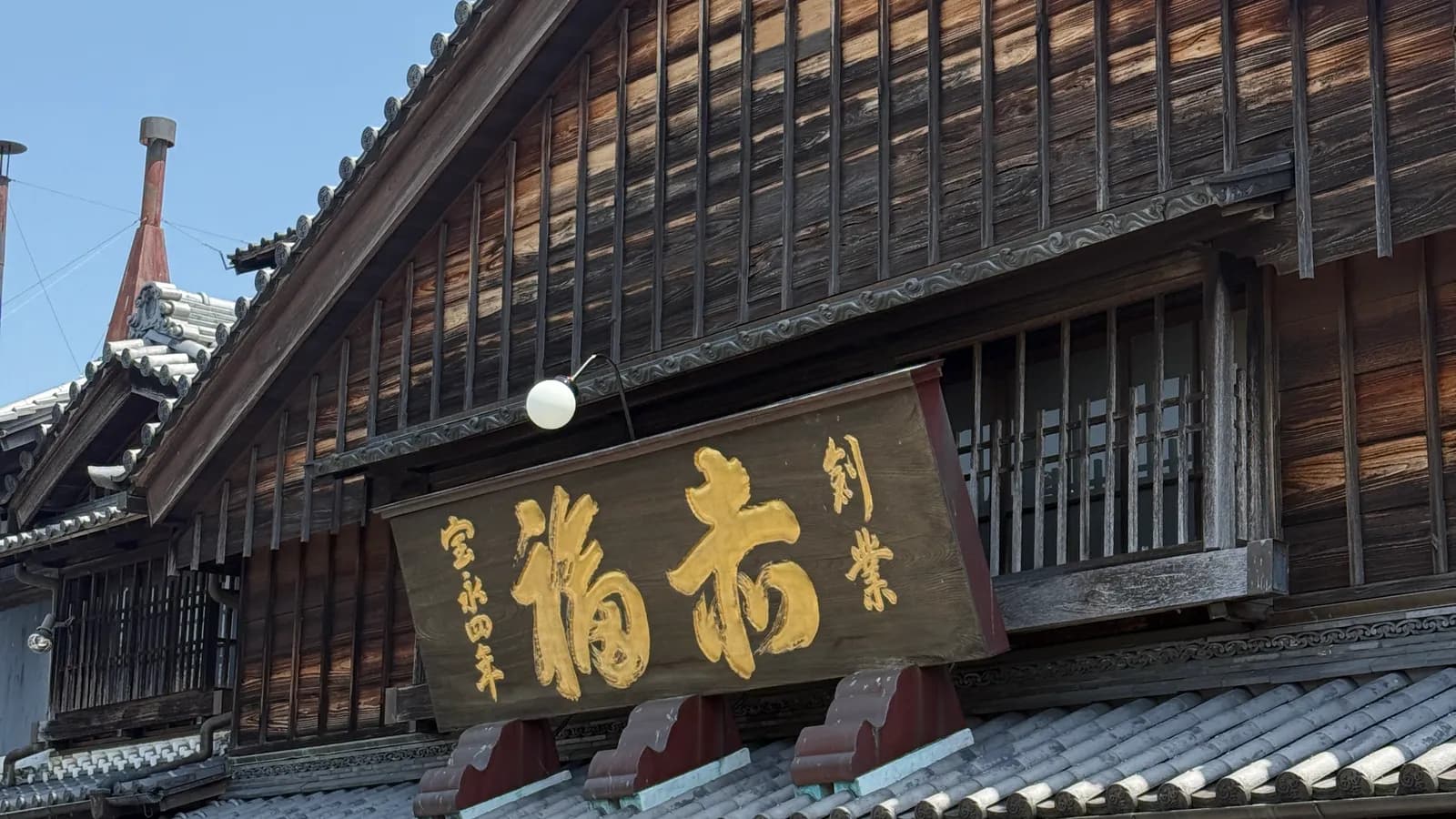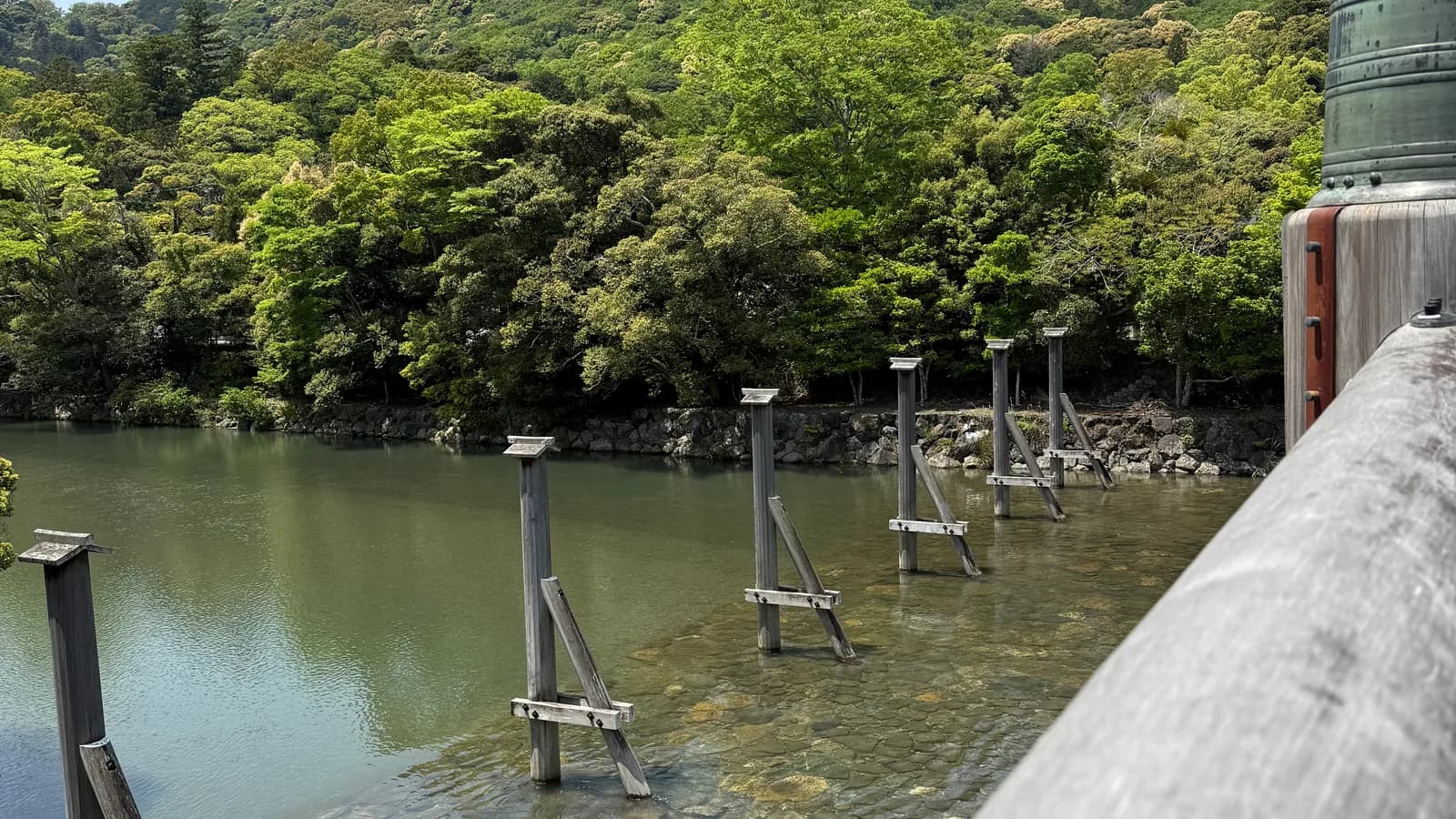
Mie looks modest until you connect it correctly. The sacred order of Ise, the softer food-and-sea rhythm of Toba, and the mossy stone logic of the Kumano Kodo belong together much more naturally than first-time visitors expect.
This is not a region that gets better by adding more. It gets better by choosing the right order, the right rail timing, and the right amount of walking.
Who Mie Works Best For
- couples and culture-first travelers
- repeat visitors who want a deeper central-Japan route
- anyone who prefers sacred mood over loud spectacle
Three Things to Remember Before You Go
- Order matters at Ise.
- Train and bus timing matter more than in city routes.
- One strong Kumano segment is better than chasing too much mileage.
The Core of Mie
1) Ise Grand Shrine
The anchor of sacred order.
2) Toba
The sea-culture bridge of the route.
3) Kumano Kodo
The final forest-and-stone deepening.
Why the Free Overview Stops Here
This page should help you decide whether Mie is your kind of route. The full paid guide is where the friction disappears:
- the practical Outer Shrine -> Inner Shrine execution order
- where to spend on a ryokan night and where not to waste money
- when to cut a Kumano walking segment because weather or knees say no
- how to pivot if the sea-culture booking fails
If You Want to Do Mie Properly
Mie becomes premium once the guide helps you manage shrine order, rail rhythm, weather risk, and how much walking is actually wise.
- Recommended guide:
src/content/guides/mie-pilgrimage-trail.mdx