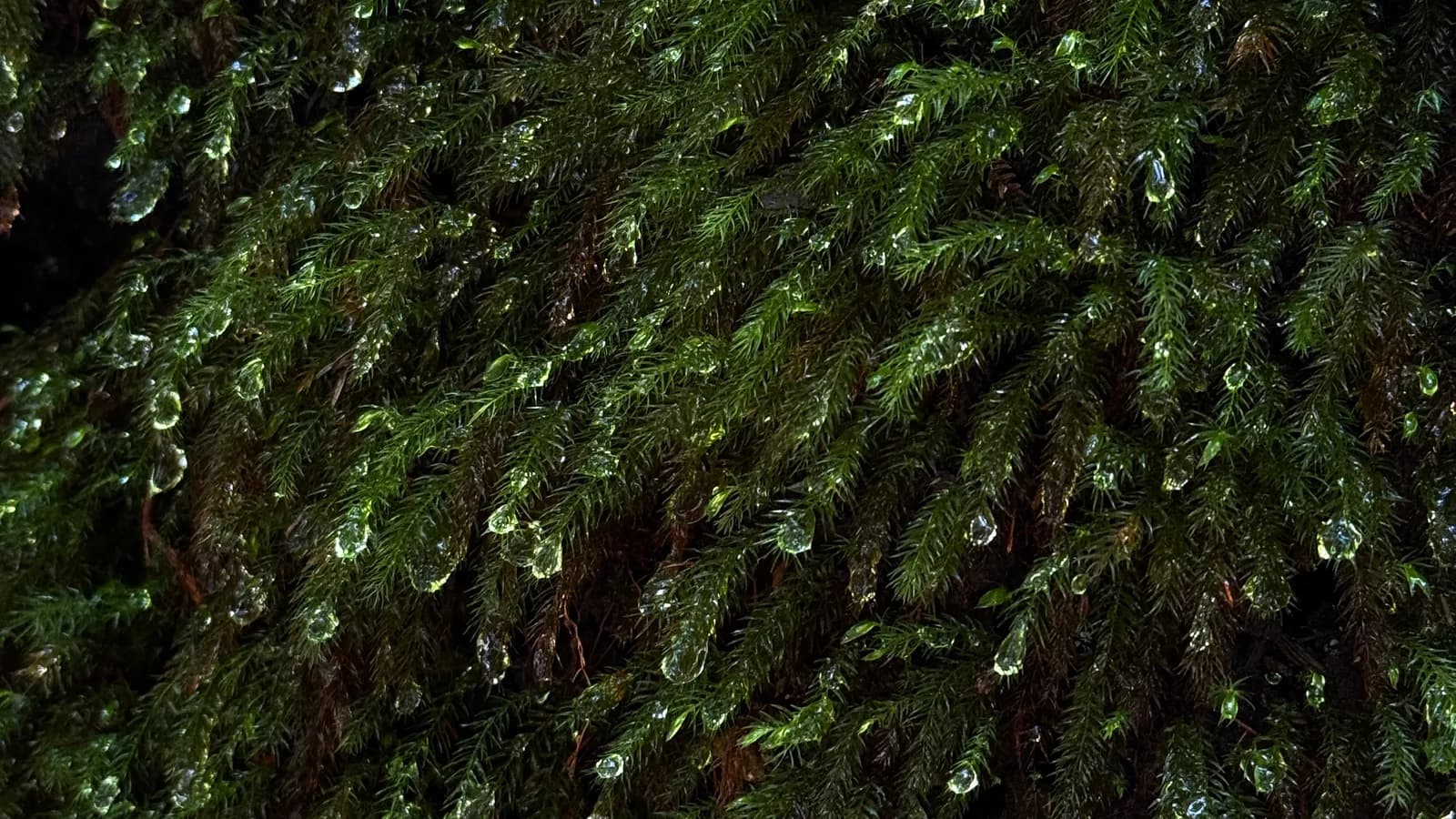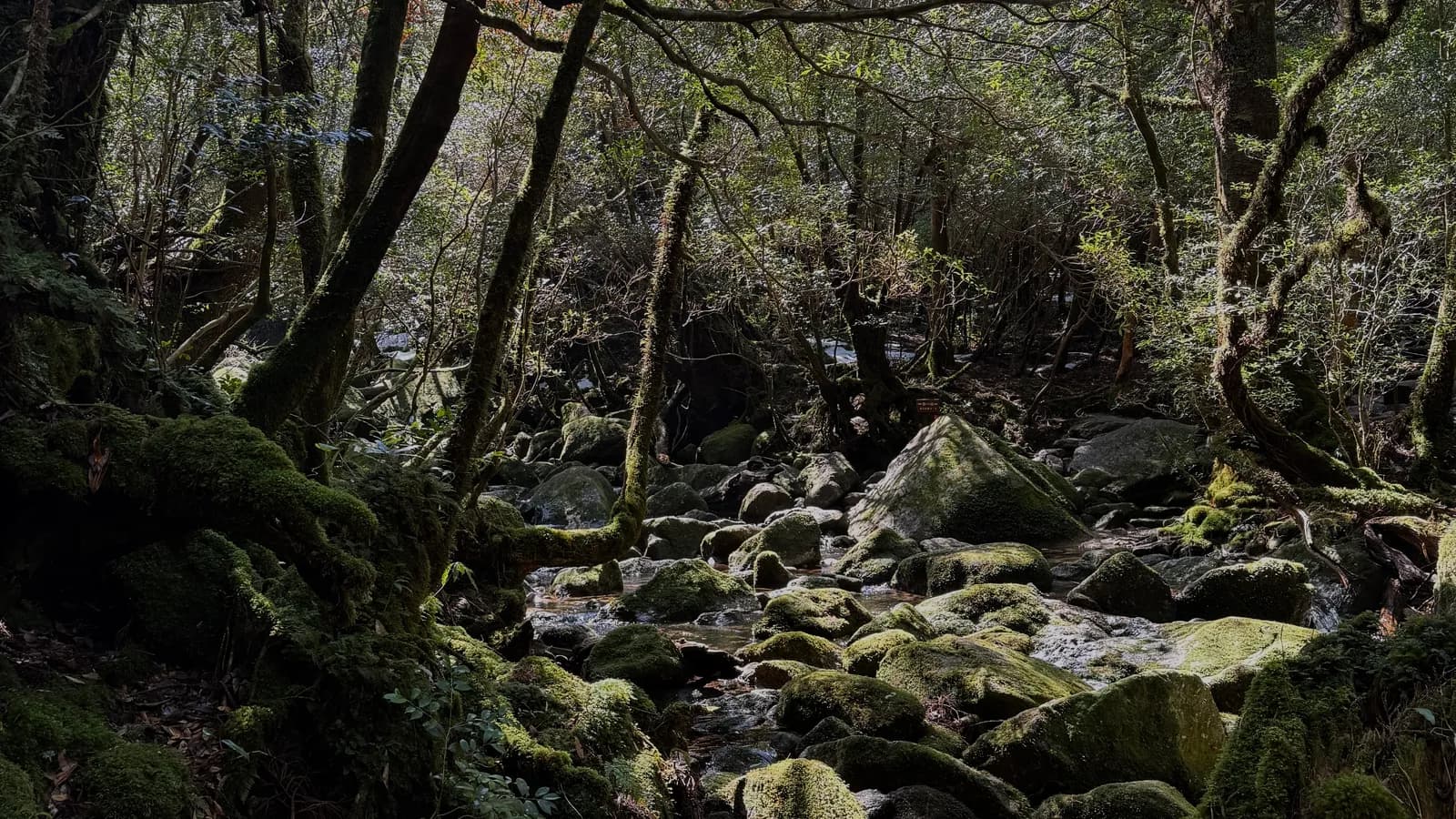
Yakushima is easy to romanticize and easy to mishandle. The island is not just about beauty. It is about rain, preparation, pacing, and accepting that the forest decides the emotional tone of the trip.
Once treated properly, Yakushima becomes extraordinary. Moss, rain, old cedar weight, waterfalls, coast, and recovery days all matter.
Who Yakushima Works Best For
- strong walkers and nature-immersion travelers
- repeat Japan visitors seeking a harder, deeper island route
- travelers willing to respect weather and fatigue
Three Things to Remember Before You Go
- Rain is part of the trip, not an exception.
- Jomon Sugi is a real full-day effort.
- Yakushima improves dramatically when you give it recovery space.
The Core of Yakushima
1) Shiratani Unsuikyo
The right emotional opening to the island.
2) Jomon Sugi
The iconic centerpiece that must be treated as an energy-management decision too.
3) Waterfall and coast balance
The island becomes fuller once it is not only about trees.
Why the Free Overview Stops Here
This page should tell you whether Yakushima is your kind of island. The full paid guide is what closes the costly decisions:
- whether Jomon Sugi is really a go / no-go for you
- how to handle shuttle, bento, and rain prep without breaking the trek
- how much recovery time the island actually needs
- where to spend to protect the trip, and what variety to cut
If You Want to Do Yakushima Properly
Yakushima becomes premium once the guide handles rain logic, trekking fatigue, shuttle planning, and route spacing instead of simply praising the island's atmosphere.
- Recommended guide:
src/content/guides/yakushima-primeval-forest.mdx